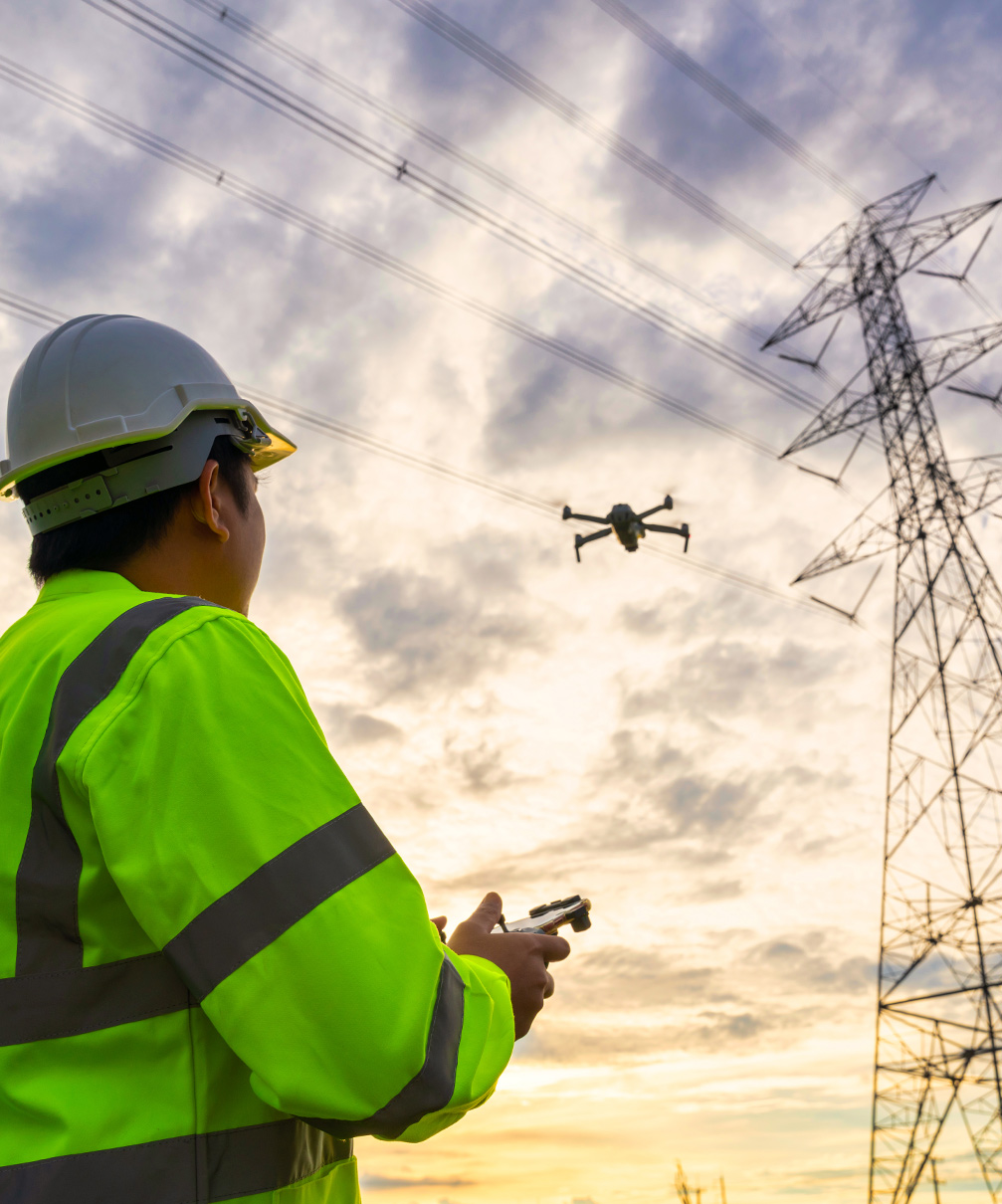
At CQD engineering, we recognize that the future of construction and design is intrinsically linked to sustainability. It's not just about incorporating renewable energy systems or choosing recycled materials; it's a complete transformation of the engineering process to embrace sustainability at every step. Emerging technologies are the tools with which we are sculpting this new landscape.
Innovations that define the future
Technologies that we consider "emerging" today will be the norm tomorrow. We are exploring and applying advanced solutions such as:
Eco-innovative building materials: We develop and use materials that are not only recyclable and low-impact, but also have enhanced energy-efficient properties. From self-repairing concrete to thermo-reflective insulation, these materials are redefining what it means to build sustainably.
3D Printing in Construction: 3D printing offers a way to build that reduces material waste and enables unprecedented customization. With this technology, we can create building components on site, reducing the carbon footprint associated with transportation and promoting a circular economy in the construction industry.
Artificial intelligence and data analysis: We use AI to optimize the design and operation of buildings, from the conceptualization phase to their daily operation. AI can predict and adjust energy consumption patterns, maximizing efficiency and reducing costs.
Integrated renewable energy technologies: Beyond traditional solar panels, we are integrating innovations such as solar shingles and photovoltaic facades that blend aesthetically with the building design and increase renewable energy production.
Sustainability in action
These technologies are not just future promises; they are realities that we are implementing in our current projects. For example, in our recent development of a downtown office complex, we used 3D printing to create façade elements that adapt specifically to the orientation of the sun. This not only improves the building's energy efficiency, but also contributes to the thermal comfort of its occupants.
In addition, in collaboration with technology startups, we have introduced smart sensors that regulate water and electricity consumption, adapting to the building's usage patterns. These systems not only make buildings smarter but also empower users to make more informed decisions about their own resource consumption.
A commitment to continuous improvement
At CQD Engineering, we are committed to continuous innovation. Our focus on emerging technologies for sustainability is part of this commitment. With every project, we strive to push the limits of what is possible, always with the goal of minimizing our environmental impact and maximizing wellness and efficiency.
We invite our customers, partners and communities to join us on this journey to a greener, more technologically advanced future. Because at CQD Engineering, we know that building for tomorrow starts with the decisions we make today.

The nearest neighboring building was just 15 feet away from the bore drilling. To mitigate disruption to abutting neighbors, our team distributed a two-week look ahead schedule and logistics plan every week to the neighboring buildings. Suffolk also posted regular updates on the project website to keep neighbors informed about upcoming drilling activities and held multiple Town Hall meetings with students and faculty who live and work near the site. These Town Hall meetings gave abutters the opportunity to become familiar with the project, meet the team and ask questions.
In design, sustainability, and programming, the BU Center for Computing & Data Sciences marks the future of construction in higher education. The building is scheduled for completion by the end of 2022.
Locating the bores so they didn't interfere with the building footprint was another challenge. The team successfully located 27 of the bores outside the footprint, with the remaining four bores falling underneath the building. Locating most of the bores outside of the building footprint kept the project on schedule, and limiting the number of bores beneath the foundation mat slab meant less impact to the deep foundation excavation activities.